If your little one has been complaining about a burning feeling in their chest or keeps spitting up long after the baby stage, you might be dealing with acid reflux. It's more common in kids than most parents realize, and it can be confusing to navigate. Whether you're just starting to connect the dots or you've been down this road for while, this FAQ breaks down everything you need to know about acid reflux symptoms in children — in plain, parent-friendly language.
What Exactly Is Acid Reflux in Kids?
Acid reflux happens when stomach acid flows back up into the esophagus the tube connecting throat to the stomach. In kids, this occurs when the lower esophageal sphincter, muscle that acts like a valve at the bottom of the esophagus, doesn't close tightly enough. The result? That stomach acid sneaks back up and causes discomfort. When this happens frequently and starts interfering with your child's daily life, it's often diagnosed as gastroesophageal reflux disease or GERD.'s not just a "baby thing" — school-age kids and even teenagers can deal with it too.
What Are the Most Common Symptoms to Watch For?
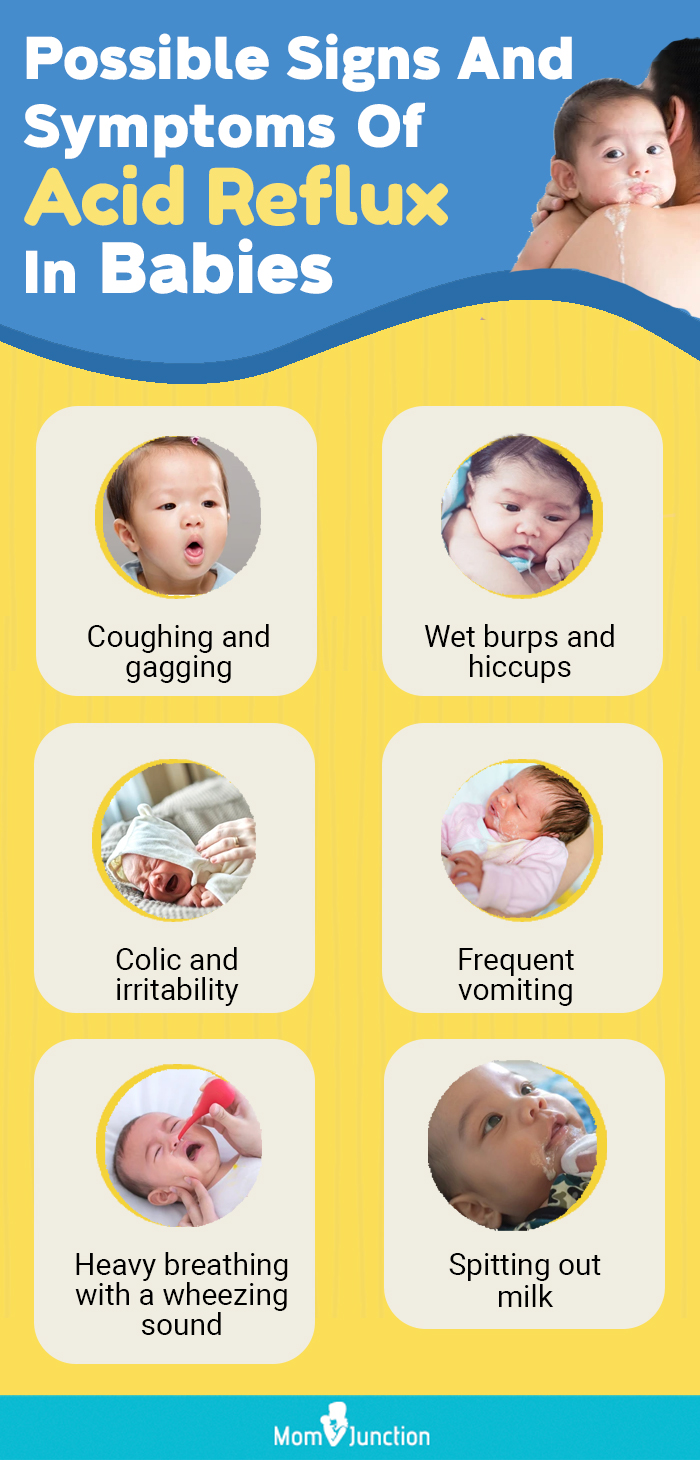
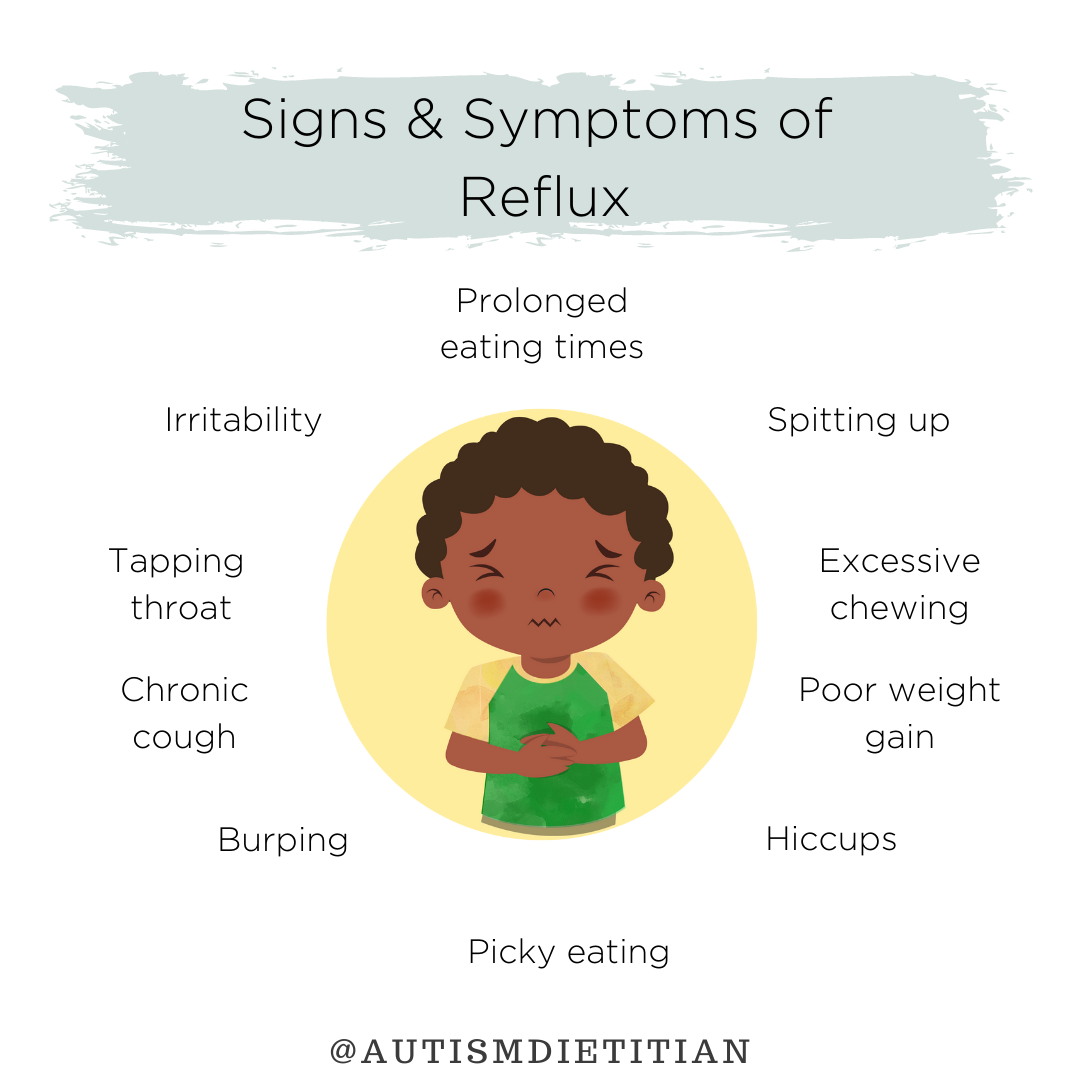
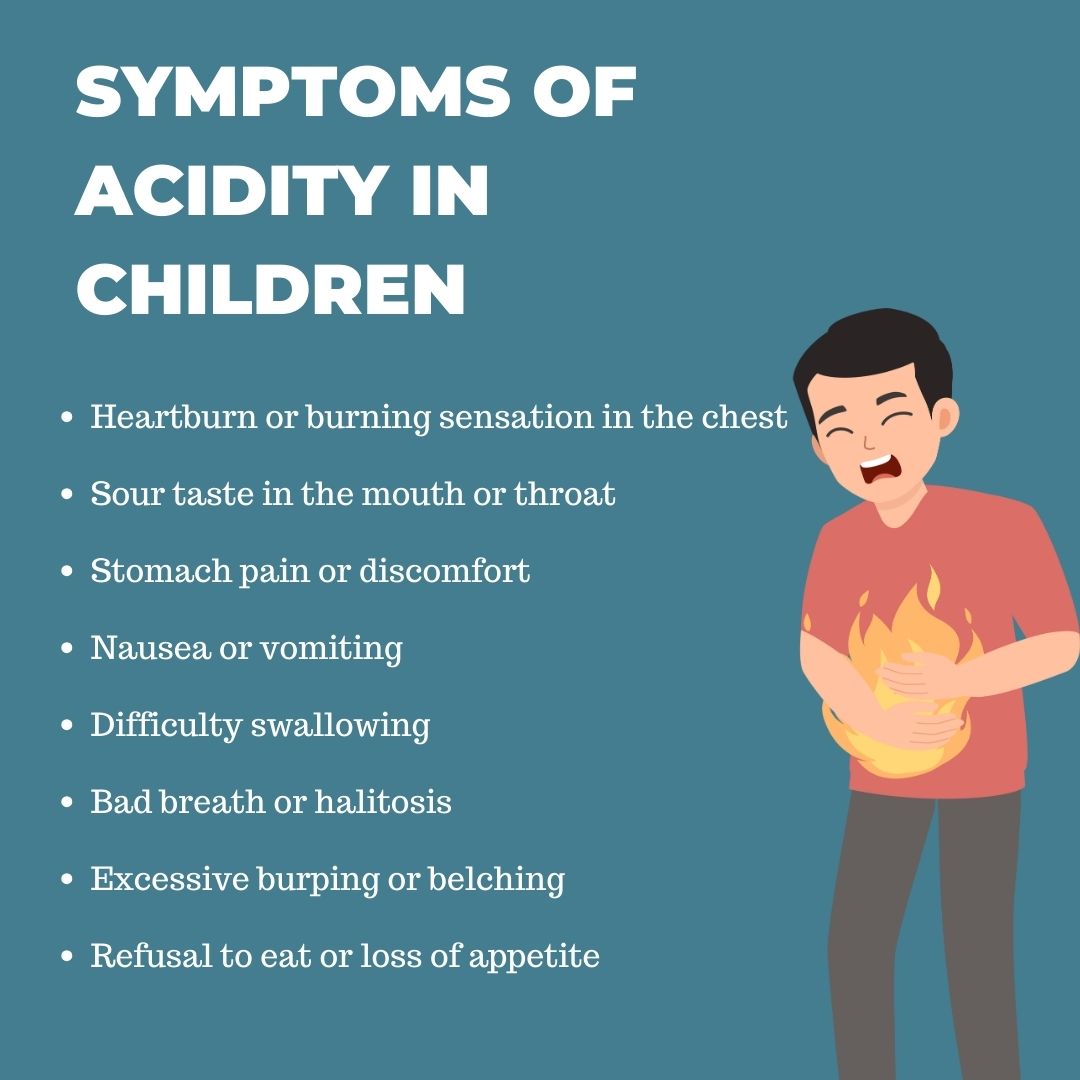
The symptoms can look pretty different depending on your child's age. In younger kids, you might notice frequentitting up, vomiting, gagging, or a general reluctance to eat. They might arch their back during or after meals seem irritable without an obvious reason. In older children, the symptoms start to look more like what adults experience — a burning sensation in the chest or throat (heartburn), a sour taste in the mouth, difficulty swallowing, or the feeling that food is stuck. Some kids also complain of stomach pain, especially right after eating. The tricky part is that younger kids often can't articulate what they're feeling, so behavioral clues are best guide>Can Acid Reflux Cause a Chronic Cough or Breathing Problems
Yes, and this surprises a lot of parents. Acid reflux can trigger respiratory that look a lot like asthma or allergies. When stomach acid reaches the throat voice box, it can cause chronic coughing, hoarseness, wheezing, or even recurrent episodes of bronchitis. If your child has been treated for asthma but isn't responding well to usual treatments, it's worth asking their doctor whether acid reflux could be an underlying contributor. This presentation is sometimes called "silent reflux" because the obvious heartburn symptoms aren't always present.
Is Spitting Up in Babies Always Considered Acid Reflux?
Not necessarily. Almost all babies spit up — it's a normal part of development as their digestive systems mature. This is called gastroesophageal reflux (GER) and it's considered completely normal. The key difference is whether the spitting up is causing problems. If your baby is gaining weight well seems comfortable, and is otherwise thriving, the spitting up is probably just a laundry issue not a medical one. However, if your baby is losing weight, refusing to eat, consistently crying during after feedings, or showing signs of discomfort, that's when it shifts into territory worth discussing with your pediatrician.
What Foods Can Trigger Acid Reflux Symptoms in Children
Certain foods are known to relax the lower esophageal sphincter or increase stomach acid production, makingux more likely. Common culprits include citrus fruits and juices, tomatoes and tomato-based sauces, chocolate, mint, fried or fatty foods, carbonated beverages, and spicy foods. Caffeine — yes, even fromoda or certain teas — can also play a role. Keeping a food diary for a couple of weeks can be incredibly helpful in identifying your's personal triggers, since every kid reacts a little differently.
When Should I Take My Child to the Doctor?
While mildux symptoms can sometimes be managed with lifestyle changes, there are certain red flags that call for a prompt doctor's visit. Seek medical attention if your child is losing weight or not gaining weight appropriately, has difficulty swallowing or when swallowing, is vomiting blood showing blood in their stool, has persistent chest pain, or if their symptoms are significantly impacting their quality of life — like avoiding meals waking up at night, or missing school. A pediatrician can evaluate and, if needed, refer you to a pediatric gastroenterologist for further testing.
How Is Acid Reflux Diagnosed in Children?
Diagnosis often starts with a thorough review of your child's symptoms and medical history. In many cases, arician will try treatment approach first see if symptoms improve. When more information is needed, several tests can help. An upper endoscopy allows a doctor to look directly at the esophagus and stomach lining. A pH monitoring study measures how much is entering the esophagus over 24-hour period. An upper GI series, which involves X-rays taken after your child drinks a contrast liquid, can also reveal structural issues. Your will recommend the appropriate tests based on your child's specific situation>What Are the Treatment Options for Kids With2>
Treatment depends on the severity of the symptoms. For mild cases, lifestyle and dietary changes are usually first step adjusting meal sizes, avoiding trigger foods, not lying down right after eating, and elevating the head of the bed slightly. For more persistent cases, arician might recommend over-the-counter antacids or under medical supervision, H2 blockers or proton pump inhibitors (PPIs) that reduce acid production. It's important not to give your child any medication without a doctor's guidance, since dosing and appropriateness vary by age. Most children with GERD manage their symptoms well with the right combination of diet changesCan Outgrow Acid Reflux
Many children do outgrow reflux, especially if it started in infancy. As digestive system matures and babies spend more time upright, symptoms often improve significantly. For older kids and teens, however GERD can be a longer-term condition that requires ongoing management. The good news is that with proper treatment and some lifestyle adjustments, most children with acid reflux go on to live normal, lives. Regular follow-ups with a healthcare provider help ensure that symptoms stay in check and that any condition are caught early.