Acid reflux is one of the most common digestive conditions affecting millions of people every day. Whether you experience occasional heartburn after a heavy meal or deal with persistent discomfort that disrupts your daily routine, understanding the symptoms, available treatments, and practical home remedies can make a real difference. This FAQ guide breaks down everything you need to know in clear, straightforward terms so you can make informed decisions about managing your digestive health.
What Are the Most Common Symptoms of Acid Reflux?
The most recognizable symptom of acid reflux is heartburn, a burning sensation in the chest that often travels upward toward throat. This discomfort typically occurs after eating or when lying down. Other common symptoms include regurgitation, where stomach acid or partially digested food flows back into the throat or mouth, leaving a sour or bitter taste. Some people also experience difficulty swallowing, a chronic cough, a hoarse voice, or the feeling of a lump in the throat. In some cases, acid reflux can cause bloating, nausea, and even chest pain that may be mistaken for a cardiac event. If you experience severe or recurring chest pain, always consult a doctor to rule out heart-related conditions.
What Causes Acid Reflux to Occur?
Acid reflux happens when the lower esophageal sphincter, a ring of muscle that acts as a valve between the esophagus and the stomach, weakens or relaxes at the wrong time. This allows stomach acid to flow back up into the esophagus. Several factors contribute to this, including eating large meals, lying down shortly after eating, being overweight or pregnant, smoking, and consuming certain foods and beverages. Foods commonly associated with triggering acid reflux include spicy dishes, fatty or fried foods, chocolate, citrus fruits, tomatoes, onions, garlic, coffee, and alcohol. Stress and certain medications like aspirin or ibuprofen can also worsen the condition.
How Is Acid Reflux Officially Diagnosed?
A doctor can often diagnose acid reflux based on your symptoms and medical history. However, if symptoms are severe, frequent, or not responding to initial treatment, further testing may be recommended. Common diagnostic methods include an upper endoscopy, where a thin flexible tube with a camera is used to examine the esophagus and stomach lining. A pH monitoring test measures acid levels in the esophagus over24 to 48 hours. An esophageal manometry test assesses the function of the esophageal muscles. These tests help confirm the diagnosis, rule out other conditions, and determine the severity of any damage the esophageal lining.
What Medical Treatments Are Available for Acid Reflux?
There are several effective medical treatments depending on the severity of the condition. Antacids such as Tums or Rolaids provide quick relief by neutralizing stomach acid. H2 blockers like famotidine reduce amount of acid the stomach produces and offer longer-lasting relief than antacids. Proton pump inhibitors, PPIs, such as omeprazole and lansoprazole are among the most commonly prescribed medications and work by significantly reducing acid production over time. For cases that do not respond to medication, surgical options like fundoplication, where the top of the stomach is wrapped around the lower esophagus, may be considered. Always work with healthcare provider to determine the right treatment plan for your specific situation.
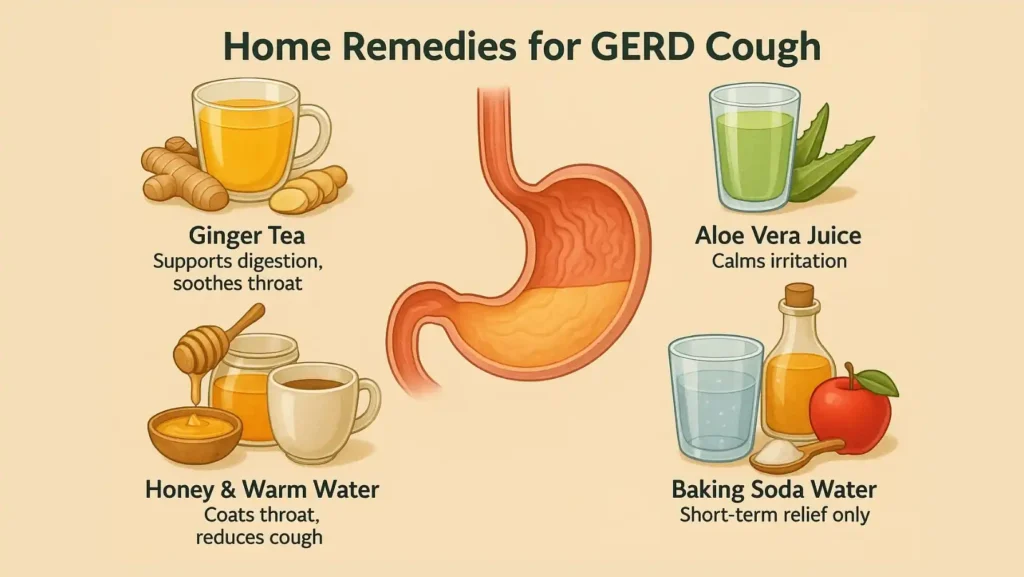
What Are Effective Home Remedies for Acid Reflux Relief>Several home remedies can help ease the discomfort of acid reflux without reaching for medication. Baking soda mixed with water acts as a natural antacid and can neutralize stomach acid quickly though it should not be used frequently. Aloe vera juice has anti-inflammatory properties and may help soothe irritation in the esophagus. Chewing sugar-free gum after meals stimulates saliva production, which helps neutralize acid and clear it from the esophagus more efficiently. Ginger tea is another popular remedy known for its ability to reduce nausea and inflammation. Apple cider vinegar, when diluted in water, is sometimes recommended anecdotally, though scientific evidence is limited and may worsen symptoms in some people, so proceed cautiously. Lifestyle Changes Can Help Prevent Acid Reflux?
Lifestyle modifications are often the first line of defense against acid reflux. Eating smaller, more frequent meals rather than large portions reduces pressure on the lower esophageal sphincter. Avoiding lying down for at least two three hours after eating gives your body time to digest food properly. Elevating the head of your bed by six eight inches can prevent nighttime acid reflux by using gravity to keep stomach acid in place. Maintaining a healthy weight reduces abdominal pressure that can push acid upward. Quitting smoking, limiting alcohol, and reducing stress through activities like yoga, meditation, or regular exercise all contribute to fewer and less severe episodes of acid reflux.
Are There Specific Foods That Help Soothe Acid Reflux?Yes, certain foods are known to be gentler on the digestive system and even help alleviate acid reflux symptoms. Oatmeal is a filling low-acid breakfast option that absorbs stomach acid and reduces reflux. Leafy green vegetables like spinach, kale, and broccoli are naturally low in fat and sugar making them excellent choices. Bananas and melons areacid fruits that most people with acid reflux tolerate well. Lean proteins such as chicken, turkey, and fish prepared by baking, grilling, or steaming rather than frying are also helpful. Ginger, as mentioned earlier, and fennel are both known for their digestive-soothing properties. Incorporating these foods into your regular diet while reducing trigger foods can lead to noticeable improvements over time.
When Should You See a Doctor About Acid Reflux?
While mild occasional acid reflux can often be managed at home, there are clear signs that warrant a visit to a healthcare professional. You should see a doctor if you experience symptoms more than twice a week, if over-the-counter medications not providing relief, or if you have difficulty pain when swallowing. Unexplained weight loss, persistent vomiting, vomiting blood, or passing black tarry stools are serious warning signs that require immediate medical attention. Long-term untreated acid reflux can lead to complications such as esophagitis, esophageal stricture, or Barrett's esophagus, a condition that increases the risk of esophageal cancer. Early diagnosis and treatment greatly reduce the risk of these complications.
Can Acid Reflux Be Permanently Cured?
For many people, acid reflux can be managed effectively to point where symptoms are minimal or rare but permanent cure depends heavily on the underlying cause. Those who develop acid reflux primarily due to lifestyle factors like diet, weight, and smoking often see significant long-term improvement after making sustained changes For others structural issues or chronic GERD, long-term medication surgical intervention may be necessary to keep symptoms under control. Working closely with a gastroenterologist to monitor your condition and adjust your treatment plan as needed is the most reliable path toward best possible outcome Consistency medical treatment and lifestyle habits remains key to long-term relief.