Acid reflux is one of the most common digestive conditions affecting millions of adults in the United States. Characterized by a burning sensation in the chest and throat, it can significantly impact quality of life when left unmanaged. Whether you experience occasional discomfort or persistent symptoms, understanding the condition is the first step toward effective relief. This FAQ addresses most common questions patients have about acid reflux, from identifying symptoms to exploring treatment options.
What Is Acid Reflux and What Causes It?
Acid reflux, medically known as gastroesophageal reflux disease (GERD) when chronic, occurs when stomach acid flows back up into the esophagus. This happens when the lower esophageal sphincter (LES) — a ring of muscle that acts as a valve between the stomach and esophagus — weakens or relaxes abnormally. Common contributing factors include obesity, hiatal hernia, pregnancy, smoking, and the consumption of certain foods and beverages such as caffeine, alcohol, fatty foods, and citrus products Eating large meals or lying down shortly after eating can also trigger or worsen episodes.
What Are the Most Common Symptoms of Acid Reflux?
The hallmark symptom of acid reflux is heartburn — a burning sensation that typically starts in the chest and may rise toward the throat. Other common symptoms include regurgitation of sour or bitter-tasting acid into the throat or mouth, difficulty swallowing (dysphagia), a dry cough, hoarseness, and a sensation of a lump in the throat. Some patients also experience nausea, bloating, and burping. In cases of silent reflux, also called laryngopharyngeal reflux (LPR), patients may not experience classicburn but instead present with throat clearing, post-nasal drip, or voice changes.
When Should I See a Doctor About Acid Reflux?
While heartburn is common and manageable with lifestyle adjustments, you should consult a healthcare provider if symptoms occur more than twice a week, persist despite over-the-counter treatments, or significantly affect your daily life. Seek immediate medical attention if you experience chest pain that resembles a heart attack, difficulty swallowing, unintentional weight loss, persistent vomiting, or blood in your stool or vomit. These may indicate more serious conditions such as esophagitis, Barrett's esophagus, or in rare cases, esophageal cancer.
How Is Acid Reflux Diagnosed?
Diagnosis typically begins with a thorough review of your symptoms medical history. In many cases, a physician may diagnose acid reflux based on clinical presentation alone However, if symptoms are atypical or do not respond to initial treatment, further testing may be recommended. Diagnostic procedures can include an upper endoscopy (EGD) to examine the esophagus and stomach lining, ambulatory pH monitoring to measure acid levels in the esophagus over 24 to 48 hours, esophageal manometry to assess the function of the LES, and a barium swallow X-ray to evaluate swallowing and detect structural abnormalities.
What Lifestyle Changes Can Help Manage2>
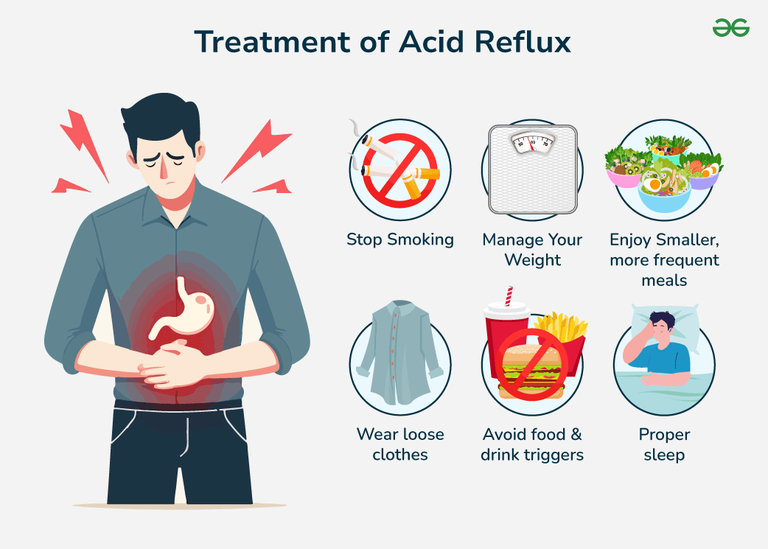
Lifestyle modifications are considered the foundation of acid reflux management are often recommended before alongside medication. Key changes include maintaining a healthy weight, as excess abdominal fat increases pressure on the stomach smaller, more frequent meals reduces the risk of overfilling the stomach. Avoiding trigger foods — such as spicy foods, chocolate, mint, tomatoes, onions, coffee, and alcohol — can help minimize episodes. Patients also advised to avoid lying down for at least two to three hours after eating, elevate the head of the bed by six to eight inches, quit smoking, and wear loose-fitting clothing to reduce abdominal pressure. Over-the-Counter Medications Are Available for Acid Reflux?Several non-prescription medications are available to manage mild to moderate acid reflux symptoms. Antacids such as calcium carbonate (Tums) magnesium hydroxide (Milk of Magnesia) provide rapid but short-term relief by neutralizing stomach acid. H2 receptor blockers, including famotidine (Pepcid), reduce acid production and offer longer-lasting relief than antacids. Proton pump inhibitors (PPIs) available over the counter, such as omeprazole (Prilosec) lansoprazole (Prevacid), are the most potent option for controlling acid production used for more persistent symptoms. It important to use these medications as directed and consult a physician do not improve within two weeks Prescription Treatments Are Used for Chronic2>
For patients with chronic GERD who do not respond adequately to lifestyle changes and-the-counter medications, prescription-strength treatments may be necessary. Prescription-dose PPIs such as esomeprazole (Nexium), pantoprazole (Protonix), or rabeprazole (Aciphex) are commonly prescribed and effective for healing esophageal tissue damaged by chronic exposure. In some cases, prokinetic agents that help strengthen the LES and accelerate stomach emptying may be prescribed. Long-term PPI use should be monitored by a physician, as extended use has been associated with potential side effects including magnesium deficiency, increased fracture risk, and altered gut microbiome compositionAre There Surgical Options for Treating2>
Surgery reserved for patients with confirmed GERD who have not responded to medical therapy or who prefer a long-term solution without ongoing medication use. The most common procedure is Nissen fundoplication, in which the upper portion of the stomach is wrapped around the lower esophagus to reinforce the LES and prevent acid backflow. This is frequently performed laparoscopically, resulting in shorter recovery times A newer option, the LINX procedure, involves placing a ring of magnetic titanium beads around the LES to strengthen its closure. Both procedures have demonstrated strong efficacy in reducing reflux symptoms, though they carry standard surgical risks and are not appropriate for every patient.
Can Acid Reflux Lead to Serious Complications If Left Untreated?
Are There Natural Remedies That Can Support Acid Reflux Management?
While natural remedies should not replace evidence-based medical treatment, some may provide supplementary relief used appropriately. Chewing sugar-free gum after meals can stimulate saliva production, which helps neutralize acid the esophagus. Aloe vera juice has mild anti-inflammatory properties in some studies, though research remains limited. Ginger, taken in small amounts as tea supplement, may help reduce nausea associated with reflux. Slippery elm and deglycyrrhizinated licorice (DGL) are herbal options some patients find helpful for soothing the esophageal lining. It always advisable to discuss use of any supplement with your healthcare provider to ensure safety and avoid potential interactions with prescribed medications.

.png)
