Diabetes in children and teenagers can be tricky to spot — many of the early signs look a lot like everyday tiredness or growing pains. But catching it early makes a real difference in how well it be managed. Whether you're a parent, a school nurse, or a teen trying to make sense of how you're feeling, this FAQ breaks down everything you need to know about recognizing diabetes symptoms in young people.
What are the most common early of diabetes in children?
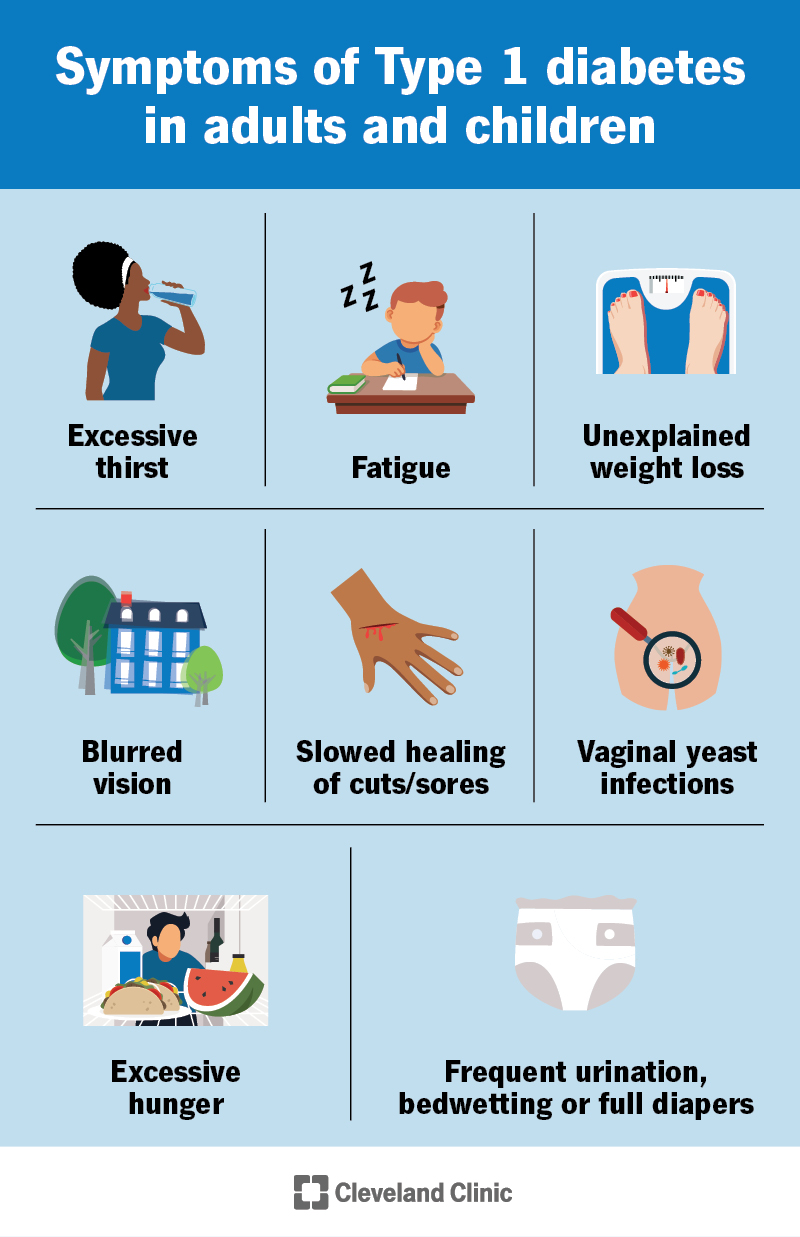
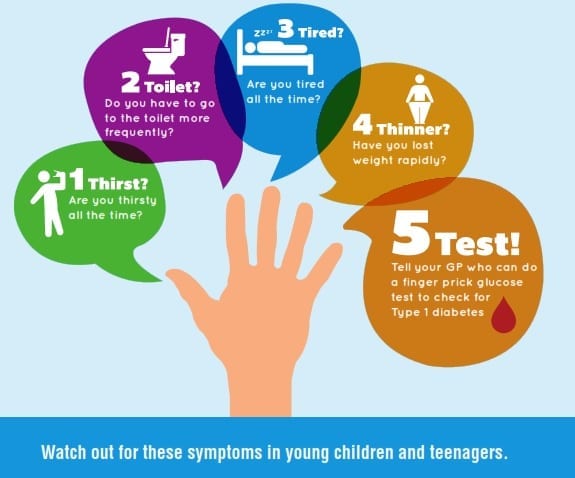
The classic early warning signs are often remembered by the acronym "the three Ps": polyuria (frequent urination), polydipsia (excessive thirst), and polyphagia (increased hunger). You might notice your child running to the bathroom constantly, asking for water or juice far more than usual, or eating large amounts without feeling satisfied. Unexplained weight loss is another major red flag, especially when it happens quickly and without any change in diet. Fatigue that seems out of proportion — like a child who used to be energetic suddenly struggling to stay awake in class — is also a common early indicator worth taking seriously.
How is Type 1 diabetes different from Type 2 in terms of symptoms?
Type 1 diabetes tends to come on fast hard Symptoms can appear over just a few days or weeks are usually more intense rapid weight loss, extreme fatigue, and sometimes life-threatening condition called diabetic ketoacidosis (DKA), which causes fruity-smelling breath, nausea, vomiting, and confusion. Type 2 diabetes, which is increasingly common in teens, often develops more gradually and can be nearly symptomless at first. A teen with Type 2 might only show mild thirst or frequent urination, and condition can go undetected for months or even years without routine screening>Can child have diabetes without obvious symptoms?
Absolutely, and this is one of the most important things to understand. Type 2 diabetes in particular can be "silent" for long time. Some children are only diagnosed after blood test reveals elevated blood sugar levels. Even with 1, stages before significant insulin deficiency builds up can produce subtle that parents might attribute to stress growth spurt, or seasonal illness This is why regular wellness checkups with blood glucose are so valuable especially for children with risk factors like a family history of diabetes excess body weight>What does diabetic ketoacidosis (DKA) look like, and when should I call 911?
DKA is a medical emergency that most commonly occurs in undiagnosed Type 1 diabetes or blood sugar is severely out of control. Warning signs include a distinctly fruity or acetone-like smell on the breath, deep labored breathing (sometimes called Kussmaul breathing), severe stomach pain, persistent vomiting, extreme weakness and altered mental status or confusion. If child is showing combination of these symptoms — especially alongside known suspected high blood sugar — call 911 or get to an emergency room immediately. DKA can become fatal within hours if not treated with intravenous fluids and insulin>Are there behavioral or mood changes linked to diabetes symptoms?
Yes, and they often the symptoms that get dismissed as "just being teenager." High blood sugar (hyperglycemia) can cause irritability, difficulty concentrating, and foggy, sluggish feeling sometimes called "brain." Low blood sugar (hypoglycemia), which can happen children already managing, tends to produce anxiety, shakiness, sudden mood swings, and in more serious cases, confusion even seizures. Teachers parents sometimes notice a child becoming unusually cranky,attentive, or emotionally volatile formal diabetes diagnosis is ever made. Tracking these mood patterns alongside physical symptoms can be helpful clue.
Does bedwetting in older children signal diabetes?
It While bedwetting is perfectly normal in young children, a-aged child or teenager who suddenly starts wetting the bed again especially one who had been dry for years — should be evaluated for diabetes. The kidneys work overtime to flush of the bloodstream through urine, and this can lead to accidents overnight the child is too deeply asleep to wake up in time. If this happens alongside other symptoms like increased thirst and daytime fatigue, a visit to the pediatrician for a simple blood glucose test is a smart next step.Are there skinrelated symptoms that parents teens should watch for?
Skin symptoms often overlooked but can be really informative. Acanthosis nigricans — a darkening thickening of the skin that typically shows folds around the neck, armpits, and groin — is strongly associated with insulin resistance, precursor to Type 2 diabetes in. It looks like a "dirty patch" that doesn't wash off. Frequent skin infections, slowhealing cuts bruises, and recurring yeast infections (including oral thrush in younger children) are also associated with elevated blood sugar because high creates an environment where bacteria and fungi thrive.What should I do if I suspect my child has diabetes?
Don't wait to see if it resolves on its own. Schedule an appointment with your child's pediatrician as soon as possible and describe every symptom you've noticed, ones that seem minor. A simple fasting blood glucose test or A1C test can confirm rule out diabetes quickly. If your child is showing severe symptoms — especially of DKA like vomiting, fruity breath, or confusion — skip the appointment and go straight to the emergency room. Early diagnosis one of the most powerful tools in managing diabetes well, and a few days can genuinely matter comes to a child's long-term health.
Is diabetes children manageable, what does daily look like after diagnosis?
Diabetes is a serious condition, but it is very much manageable, and millions of children and teens with diabetes live full, active lives. Type 1 diabetes requires lifelong insulin therapy, which today be delivered through modern insulin pumps and continuous glucose monitors (CGMs) that make day-to-day management less burdensome than it was a decade ago. Type 2 diabetes in teens is often managed through lifestyle changes — balanced diet, regular physical activity — sometimes medications or insulin depending on the severity The key is building a strong care team that includes a pediatric endocrinologist, a diabetes educator, and a dietitian who understands the unique pressures teens face around food, school, and social life.