Pneumonia is a lung infection that affects millions of people each year, ranging from mild cases managed at home to severe illness requiring hospitalization. Whether you've recently been diagnosed, are caring for someone with pneumonia, or simply want to be better informed understanding the symptoms and treatment options can make a real difference in how you respond to this condition. Below answers to the most frequently asked questions about pneumonia.
What Are the Common Symptoms of Pneumonia?
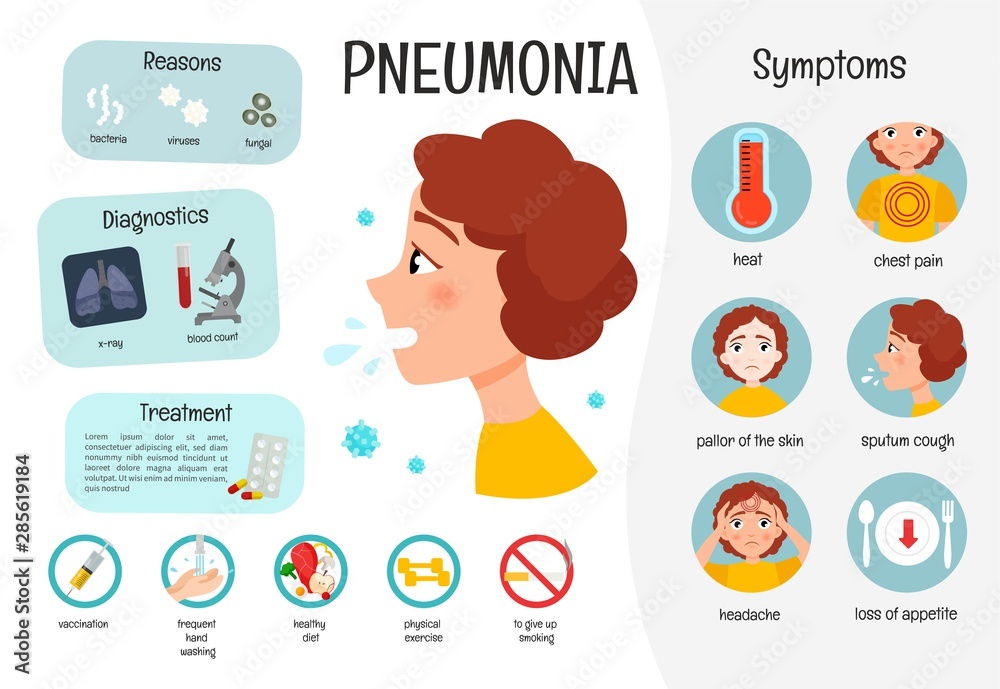
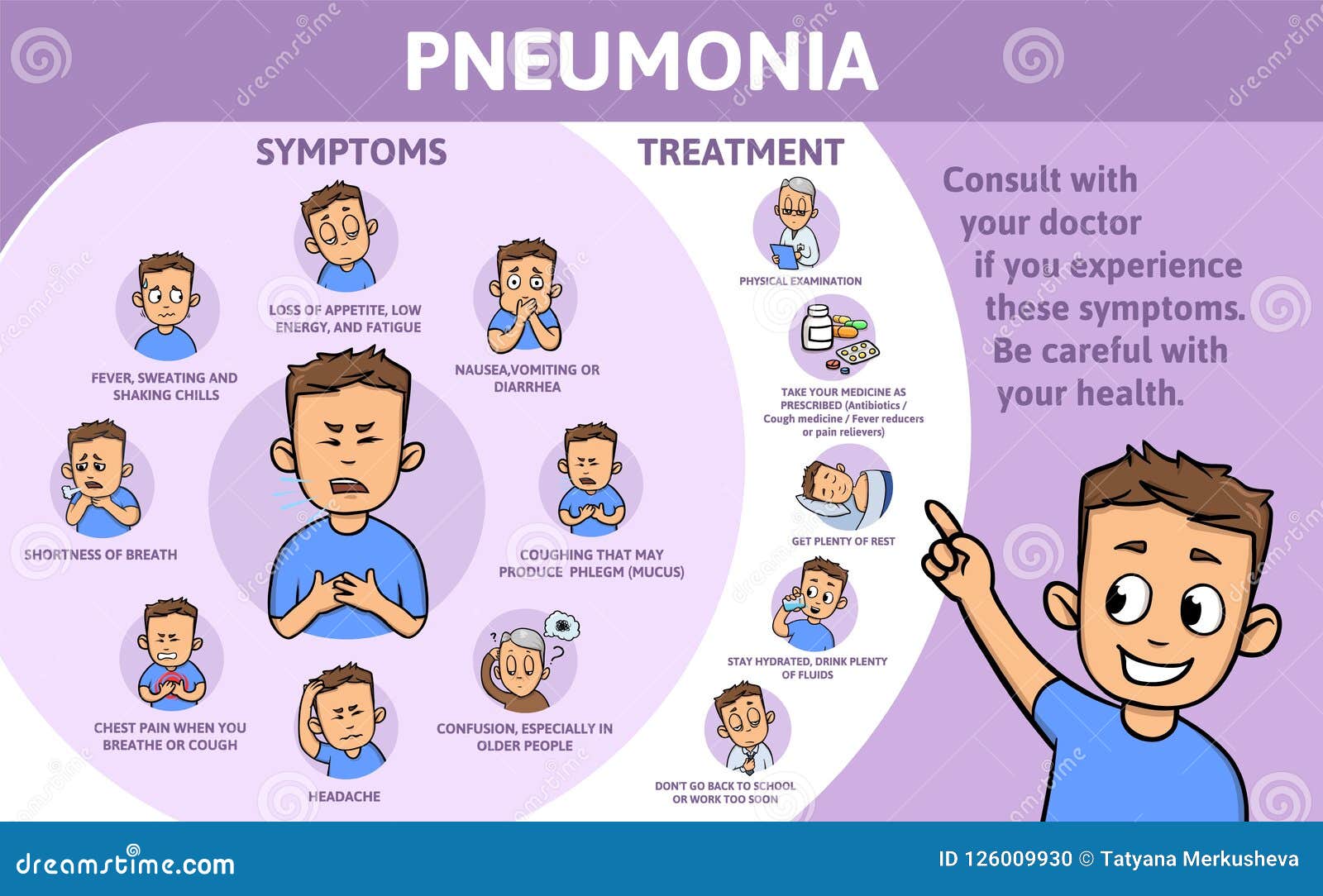
The symptoms of pneumonia can vary depending on the cause and severity, but the most common signs include a persistent cough that may produce mucus, fever chills, shortness of breath, chest pain that worsens when breathing or coughing, fatigue, and loss of appetite. Some people also experience nausea, vomiting, or diarrhea. In older adults, pneumonia may present differently, sometimes without fever with confusion or a lower-than-normal body temperature being the primary warning signs. In young children, rapid noisy breathing and a bluish tint to the lips or fingernails can indicate a serious case requiring immediate medical attention.
What Causes
Pneumonia can be caused by bacteria, viruses, or fungi. Bacterial pneumonia is the most common type in adults is most often caused by Streptococcus pneumoniae. Viral pneumonia can result from influenza, respiratory syncytial virus (RSV), SARS-CoV-2, the virus responsible for COVID-19. Fungal pneumonia is less common and tends to affect people with weakened immune systems, such as those undergoing chemotherapy or living with HIV The cause of pneumonia matters because it directly influences which treatment approach will be most effective.
How Is Pneumonia Diagnosed?
A doctor will typically start with a physical examination, listening to your lungs for crackling or bubbling sounds that suggest fluid or inflammation A chest X-ray is the most common diagnostic tool can confirm presence location of infection. Blood tests may be ordered to check for signs of infection to identify causative organism. In more serious cases or when the diagnosis is uncertain, a CT scan, sputum culture, or bronchoscopy may be used. Pulse oximetry is also commonly used to measure oxygen levels in the blood and assess how well the lungs are functioning.
How Is Pneumonia Treated
Treatment depends on the type and severity of pneumonia. pneumonia is treated with antibiotics, and it is important to complete the full prescribed course even if you feeling better sooner. Viral pneumonia does not respond to antibiotics, though antiviral medications may be used in specific cases such as influenza-related pneumonia. Fungal pneumonia is treated with antifungal medications. Supportive care plays a major role regardless of type includes rest, staying well hydrated, fever reducers, and pain relievers. Patients with severe pneumonia or those at high risk may require hospitalization for intravenous antibiotics, oxygen therapy, support.
When Should You See a Doctor or Go to the Emergency Room?
You should see a doctor promptly if you develop a high fever, a cough that worsens or produces blood-tinged mucus, or if you experience chest pain and difficulty breathing. Emergency care is warranted if you have severe shortness of breath, rapid breathing, confusion, a bluish discoloration of the lips or fingernails, or if your are deteriorating rapidly Older adults, infants, pregnant women, and people with chronic health conditions or compromised immune systems should seek medical evaluation sooner rather than later, as they face higher risk of complications.
How Long Does It Take to Recover from Pneumonia?
Recovery time varies widely based on the severity of the infection, the patient's overall health, and how quickly treatment begins. Many otherwise healthy adults feeling better within a week fatigue and a mild cough may linger for several weeks. More serious cases, particularly those requiring hospitalization, can take a month or longer to fully resolve. It normal to feel tired and weak during recovery, and pushing yourself too hard too soon can set back healing process. Follow-up chest X-rays are sometimes recommended to confirm that the infection has cleared completely especially for smokers or older patients>Can Pneumonia Be Prevented?
Several steps can reduce your risk of developing pneumonia. Vaccination is one of the most effective preventive measures. pneumococcal vaccine protects against the most common bacterial of pneumonia, while annual flu shots reduce the risk of influenza-related pneumonia. Practicing good hand hygiene, avoiding close contact with sick individuals, not smoking, and maintaining a healthy lifestyle supports a strong immune system all contribute to prevention. For people high-risk groups, such as older adults or those with chronic conditions, vaccination and regular medical check-ups are important.
Is Pneumonia Contagious?
Whether pneumonia is contagious depends on its Bacterial and viral pneumonia can spread from person to person through droplets produced when an infected individual coughs, sneezes, or talks. This means that whileonia itself is not always directly contagious, the underlying pathogen causing it often is. Fungal pneumonia, on the other hand, is not transmitted between people and is acquired by inhaling fungal spores from environment. To reduce spread of contagious forms of pneumonia, covering your mouth and nose when coughing or sneezing, washing hands frequently, and staying home when sick are all practical effective measures.
Are There Complications Associated with Pneumonia?
While many people recover from pneumonia without lasting problems, complications can arise particularly in vulnerable populations. One the more serious complications is pleuritis, an inflammation of the lining around the lungs that causes sharp pain. pleural effusion, which is a buildup of fluid between the lung and chest wall, can also develop and may require drainage. Bacteremia, a condition where bacteria enter the bloodstream, can lead to sepsis and organ failure if not treated promptly. Lung abscesses, pockets of pus in the lung tissue, are less common but represent another potential complication. Respiratory failure requiring mechanical ventilation is the most severe outcome and underscores the importance of early appropriate treatment.