Anemia is one of the most common health concerns across India, affecting millions of people from all walks of life — children, women of reproductive age, elderly individuals, and even working adults. While the condition is widespread, many people remain unaware of its early warning signs or dismiss them as ordinary tiredness. This FAQ guide addresses the most common questions about anemia symptoms in Indian context, helping you recognize signs and seek the right care without delay.
What Is Anemia and Why Is It So Common in India?
Anemia is a condition where the body does not have enough healthy red blood cells to carry adequate oxygen to tissues and organs. In India, it remains a significant public health challenge due to a combination of factors including iron-poor diets, high rates of nutritional deficiency, frequent infections, and limited access to healthcare in rural areas. According to the National Family Health Survey, more than half of Indian women and a large proportion of children are affected by some form of anemia, making awareness its symptoms especially important in this population.
What Are the Most Common Early Symptoms of Anemia?
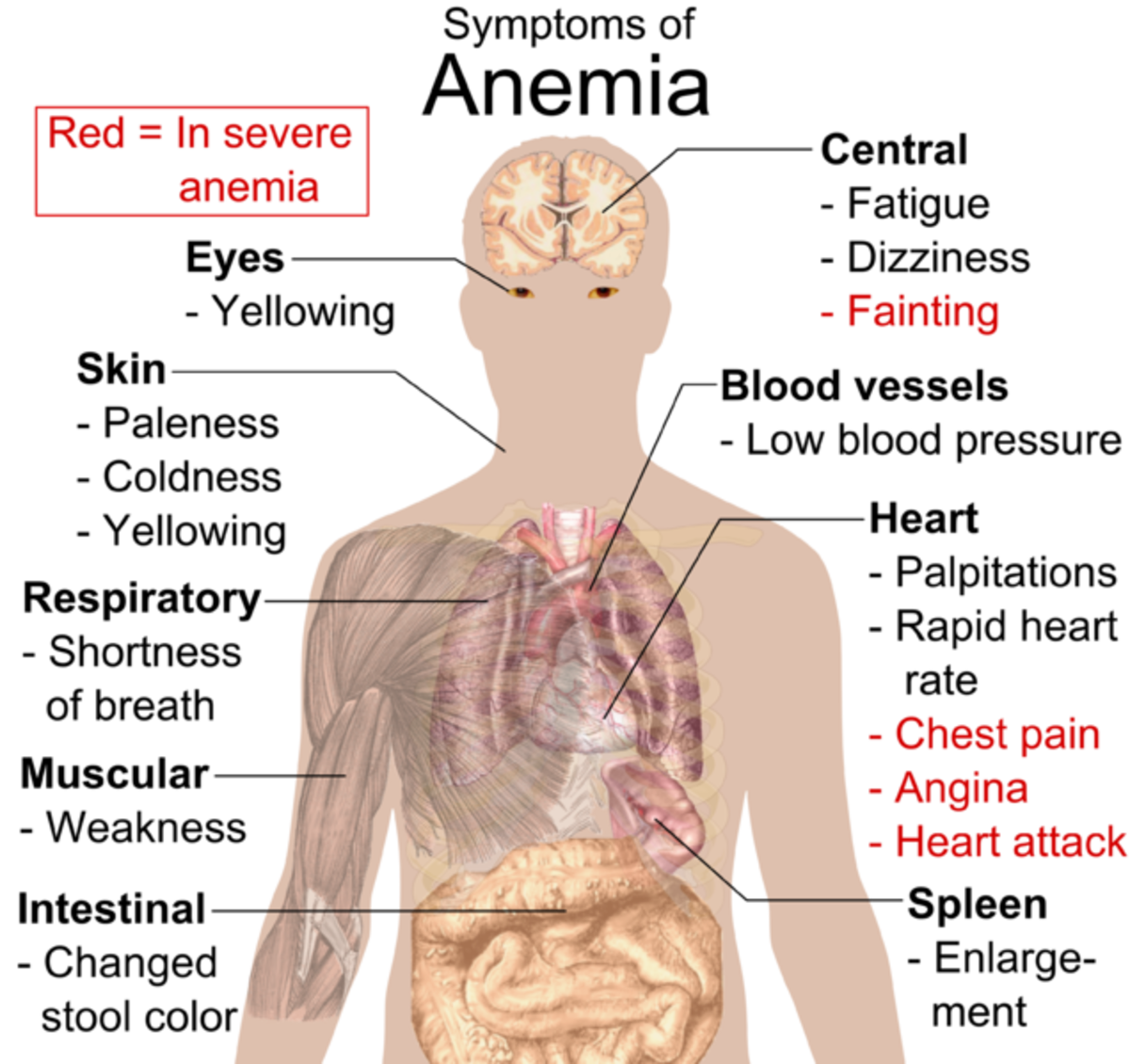
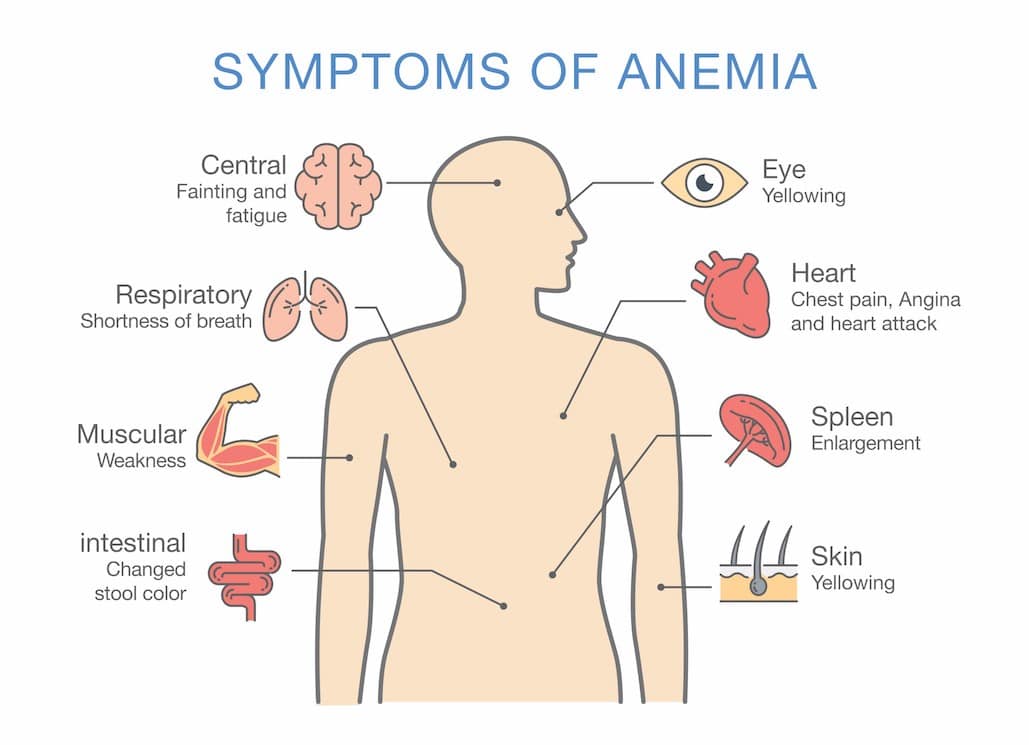
The symptoms of anemia can be subtle and are often mistaken for simple fatigue or stress. The most frequently reported signs include persistentedness even after a full night of sleep, mild breathlessness during routine activities like climbing stairs, a pale or slightly yellowish complexion, and occasional dizziness when standing up too quickly. Many people in India attribute these symptoms to overwork or the summer heat, which unfortunately delays proper diagnosis and treatment. If you notice these lasting more than a few weeks, it is important to consult a doctor ask for a complete blood count test.
How Does Anemia Affect the Skin and Eyes Indian Patients?
In individuals with darker skin tones, which is common across South Asia, the classic paleness associated with anemia may not always be immediately visible on the face. Instead, doctors typically check for pallor in more reliable locations such as the inner lining of the lower eyelids, the gums, the nail beds, and the palms of the hands. A washed-out appearance these areas can be a strong indicator of low hemoglobin levels. In some cases, the whites of the eyes may take on a slightly yellowish tint, which can suggestolytic anemia where red blood cells are being destroyed faster than they are produced.
Can Anemia Cause Headaches and Difficulty Concentrating?
Yes, neurological symptoms like frequent headaches, difficulty focusing, and mental fogginess are very common in anemia patients, especially among students and working professionals India. Whenoglobin levels drop, the brain receives less oxygen than it needs to function optimally. This can lead to persistent headaches, poor concentration during work or studies, irritability, and a general sense of mental sluggishness. Children suffering from irondeficiency anemia may show declining academic performance, reduced attention span, and behavioral changes that parents might not immediately associate with a condition>Are There Any Digestive Symptoms Linked to Anemia?
While digestive symptoms are not the first thing people associate with anemia, they can certainly be present. Some experience loss of appetite, nausea, or sore and inflamed tongue called glossitis. A particularly interesting symptom seen in iron-deficiency anemia is pica, which is the craving for non-food items such as mud, chalk, or ice. In India, pica — especially urge to eat mud clay — is sometimes observed in pregnant women and young children and can be an clinical clue pointing toward severe iron deficiency. Unusual cravings should never be ignored, as they often signal an underlying nutritional deficiency.What Symptoms Should Women India Watch Specifically?
Women in India are disproportionately affected by anemia, largely due to menstrual blood loss, multiple pregnancies, inadequate dietary iron intake, and cultural practices that may deprioritize women's nutritional needs within households. Symptoms that women should pay particular attention to include extreme fatigue during or after menstruation, heavier-than-normal periods that may worsen existing iron, brittle nails, unusual hair fall, and cold hands and feet even warm weather. During pregnancy, severe anemia can pose serious risks to both mother and baby, including preterm birth and low birth weight, making regularoglobin checks an essential part of prenatal care.
Can Cause Heart Palpitations or Chest Discomfort?
moderate to severe cases anemia, the heart has to work harder to compensate for the oxygen-carrying capacity of the blood, which can lead to noticeable palpitations or a rapid heartbeat known as tachycardia. Some individuals also report sensation of fluttering in the chest, shortness of breath even at rest, or mild chest discomfort, particularly during physical exertion. These symptoms can be alarming and are confused with cardiac conditions population, where both heart disease and anemia are prevalent, it is important to rule out anemia as a contributing factor whenever such symptoms are present, in younger individuals who may have no prior history of heart problems.How Do Anemia Symptoms Differ Between Children and Adults in
In children, anemia symptoms often manifest differently than they do in adults. Affected children may appear unusually quiet lethargic, show delayed physical growth, have repeated infections due weakened immune system, and display behavioral problems home school. Pale lips and tongue are common visible signs in children. Adults, on the other hand, tend to notice capacity, worsening stamina during daily tasks, and emotional changes like increased anxiety or depression alongside physical symptoms. Elderly individuals in India may experience worsening of pre-existing conditions such as heart disease or diabetes when anemia is present, which makes routine screening especially valuable for this age group.
When Should You See a Doctor About Anemia Symptoms in
You should seek medical advice if you have been experiencing ongoing fatigue, breathlessness, frequent headaches, or any the symptoms described above for more than two to three weeks without clear cause. A simple blood test called a complete blood count, CBC, can confirm whether youroglobin levels are low. In, this test is widely available at government hospitals, diagnostic labs, and private clinics at affordable cost. Early diagnosis allows for timely treatment — whether through dietary changes, iron or vitamin B12 supplements, or further investigation into underlying cause — and can significantly improve quality of life. not wait until symptoms become severe; anemia is treatable when caught early.