Many people use the words "anxiety" and "panic attack" interchangeably, but they are actually two distinct experiences that feel very different in the body and mind. Understanding the difference between them is not just useful — it can help you respond more calmly when symptoms arise, communicate better with your doctor, and find the right path toward relief. Whether you have noticed a racing heart during stressful situation or felt a sudden wave of fear out of nowhere, this guide breaks down what is really happening and what you can do about it.
What is the main difference between anxiety and a panic attack?
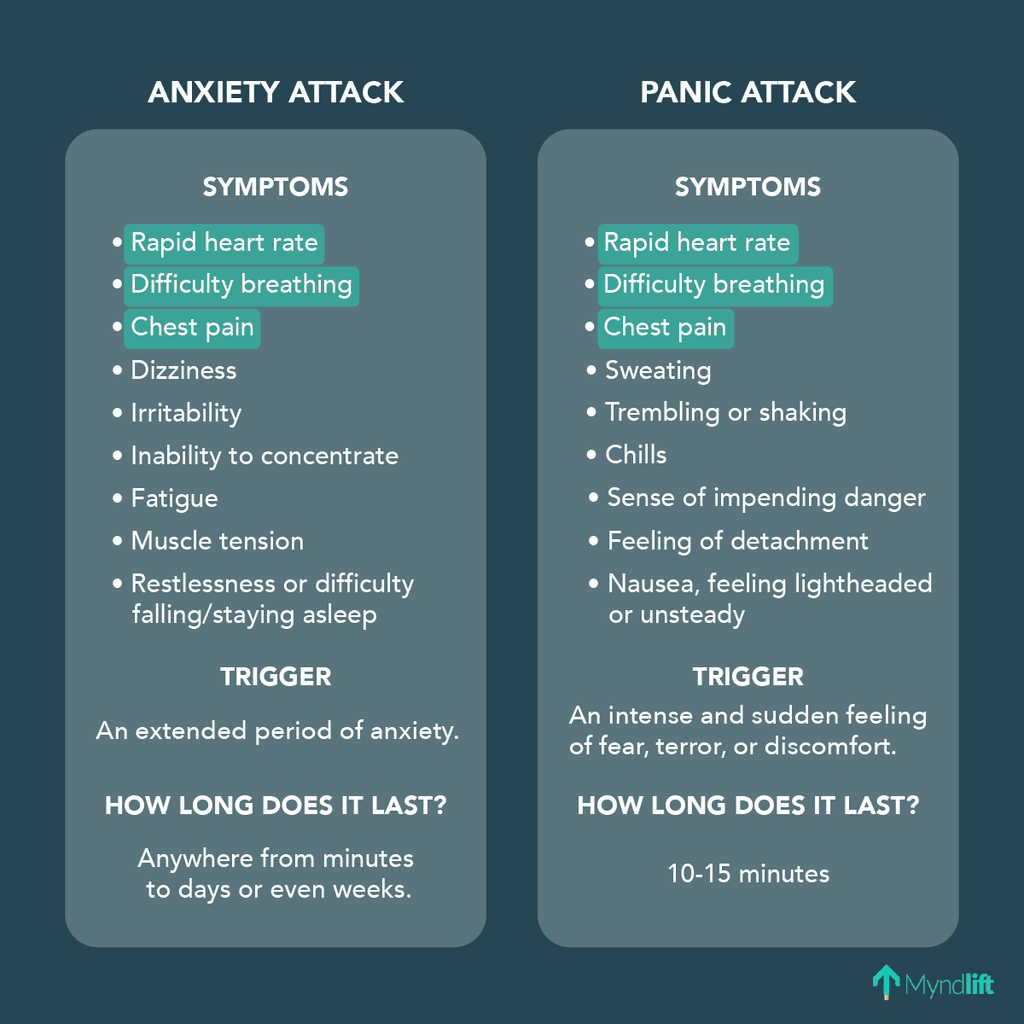
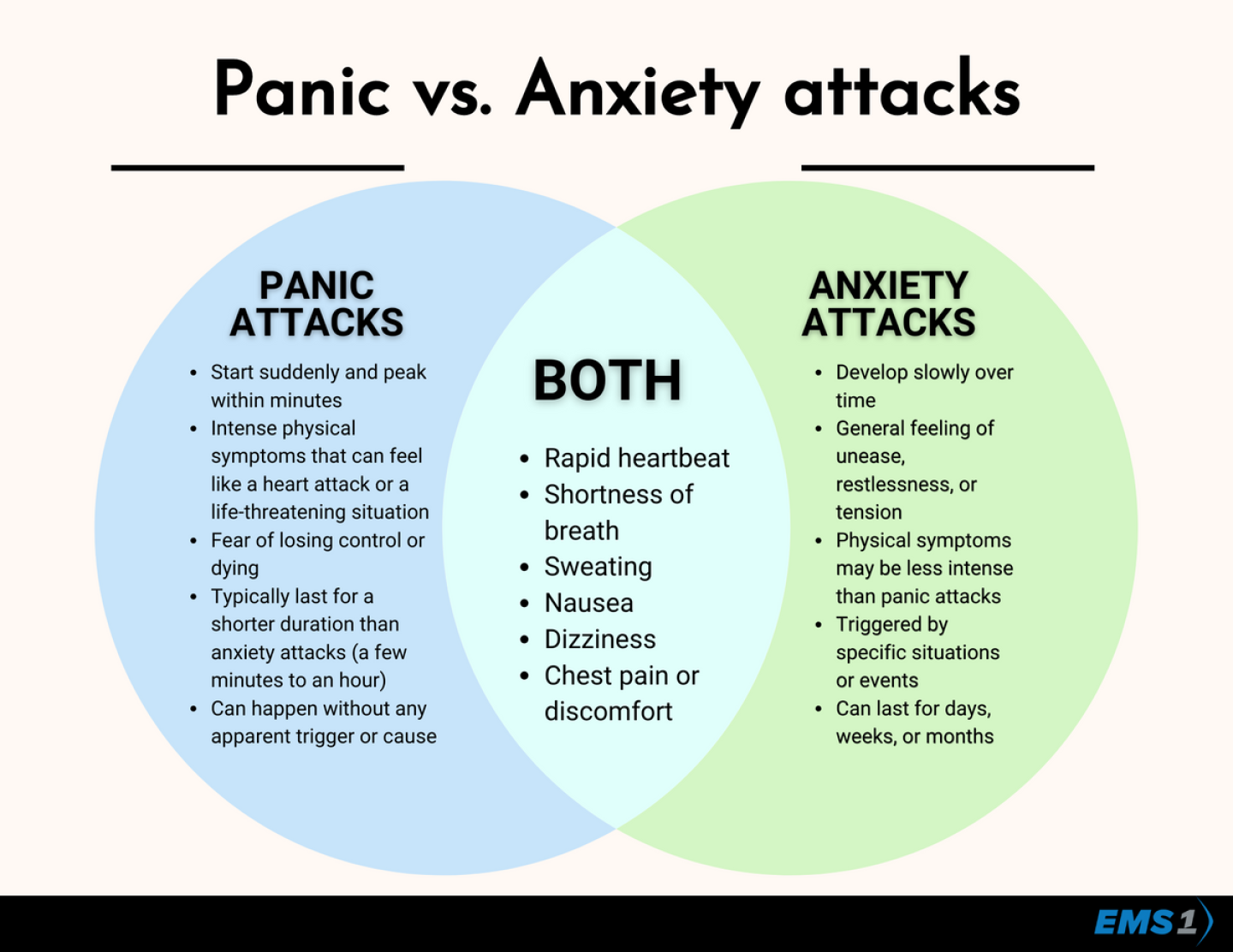
Anxiety is generally a prolonged state of worry, tension, or unease that builds gradually in response to a perceived threat or stressor. It can linger for hours, days, or even weeks. A panic attack, on the other hand, is an intense and sudden surge of fear or discomfort that peaks within minutes — usually around 10 minutes — and then subsides. Think of anxiety as a slow-burning fire and panic attack as a sudden flash. Both are uncomfortable, but their timelines and intensity levels are quite different. Anxiety often has an identifiable trigger like work pressure, a difficult relationship, or financial stress. Panic attacks can happen with or without an obvious cause which is part of what makes them so frightening.
What are the common physical symptoms of anxiety?
Anxiety shows up in the body in many ways that can feel chronic and draining over time. Common physical symptoms include muscle tension, headaches, fatigue, an upset stomach, and difficulty sleeping. You might also notice a slightly elevated heart rate, shallow breathing, or feeling on edge throughout the day. Some people experience cold hands and feet, excessive sweating, or a general feeling of being "wound up." Because these symptoms develop slowly and persist over time, many people dismiss them as just being tired or stressed, when in fact they may be dealing with an anxiety disorder that deserves proper attention.
What are the physical symptoms of a panic attack?
A panic attack is physically dramatic and can feel terrifying, especially first time it happens. Symptoms include pounding or racing heart, chest pain or tightness, shortness of breath, dizziness, trembling or shaking, tingling or numbness in the hands and face, hot flashes or chills, nausea, and feeling of choking. One of the most defining strong sense of impending doom — feeling that something catastrophic is about to happen. Because many of these symptoms overlap with a heart attack, people who experience their first panic attack often end up in the emergency room. While that is completely understandable, panic attacks are not physically dangerous.
Can anxiety lead to panic attacks?
Yes, it can. People live with chronic anxiety are more vulnerable to experiencing panic attacks because their nervous system is already in a heightened state of alertness. When the body is constantly bracing for danger, it does not take much to tip it over the edge into a full panic response. This is sometimes called anticipatory anxiety — the fear of having a panic attack actually increases the likelihood of having one. It becomes a cycle where anxiety feeds panic, and the fear of panic feeds more anxiety. Breaking this cycle usually requires working with a mental health professional to address the root causes and develop effective coping strategies.
How do the emotional symptoms differ between two?
Emotionally, anxiety tends to feel like a constant hum of worry, dread, or irritability. You might feel restless, have trouble concentrating, or feel like your mind is always running through worst-case scenarios. There often a sense of helplessness tied to specific fears, whether it is health relationships, finances, or the future. During panic attack, the is much more acute and overwhelming. People often describe of unreality — feeling detached from themselves or their surroundings, as if they are watching the situation from outside own body. There is also an intense, almost primal fear can be difficult to explain after the episode has passed.Are attacks and anxiety disorders the same thing?
No, they are related but not the same. Panic attacks are specific events while anxiety disorders are ongoing conditions. Someone can have a panic attack without having an anxiety disorder, just as someone can have an anxiety disorder and never experience a panic attack. However, if attacks occur repeatedly person begins changing their behavior to avoid situations where they think attack might happen, this can develop into Panic Disorder — a specific type of anxiety disorder. Other disorders include Generalized Anxiety Disorder, Social Anxiety Disorder, and various phobias. Each has its own set of symptoms and treatment approaches.
When should someone seek professional help?>If anxiety interfering with your daily life — affecting your sleep, your performance at work or school — good time to speak with a doctor or mental health professional. The same goes for panic attacks. While single panic attack does not necessarily indicate disorder, recurring attacks or a persistent fear of having another one clear signals that professional support would be helpful. In Asian communities, there is still a cultural tendency to manage mental health struggles privately or see them as a sign of weakness. It is worth challenging perspective Seeking help is a practical courageous step — not a failure Therapy, medication, or combination of both can be highly effective.What coping strategies can help manage both anxiety and panic attacks?
Several evidence-based strategies can help with both conditions. Deep breathing, particularly diaphragmatic breathing or box breathing, activates the parasympathetic nervous system and helps calm the physical stress response. Regular physical activity, consistent sleep, and a balanced diet all more stable baseline mood and nervous system. Mindfulness and meditation practices help reduce the tendency to ruminate on fears. Cognitive Behavioral Therapy, CBT, is widely considered one of the most effective treatments for both anxiety and panic disorder because it helps you identify and reframe unhelpful thought patterns. Journaling, reducing caffeine, and building a strong social support system also practical tools that can make a meaningful difference over time.
Is it possible to have both anxiety and panic attacks at the same time?
Absolutely, it is actually quite common. Many people experience ongoing anxiety as a background condition also have episodes of panic attacks layered on top. In cases, both anxiety and the episodic panic need to be addressed. A healthcare provider can help you sort out what is driving each and tailor a treatment plan accordingly. It is also worth noting that other conditions depression, PTSD, and certain thyroid issues can mimic or worsen symptoms of both anxiety and panic. thorough evaluation ensures nothing important is missed and gives you the clearest picture of what is going on and how to address it effectively.