What Is Appendicitis and Why Are Seniors at Higher Risk for Complications?
Appendicitis is the inflammation of the appendix, a small, finger-shaped pouch located in the lower right abdomen. In older adults, the condition carries a significantly higher risk of complications because the immune system response diminished, symptoms tend to be less pronounced, and many seniors have comorbid conditions that complicate diagnosis and treatment. Studies suggest that perforation rates in patients over 65 can be as high as 50 to 70 percent, compared to roughly 20 percent in younger adults. The delay between symptom onset and diagnosis is a key contributing factor to this elevated risk.
What Are the Classic Symptoms of Appendicitis in Younger Adults?
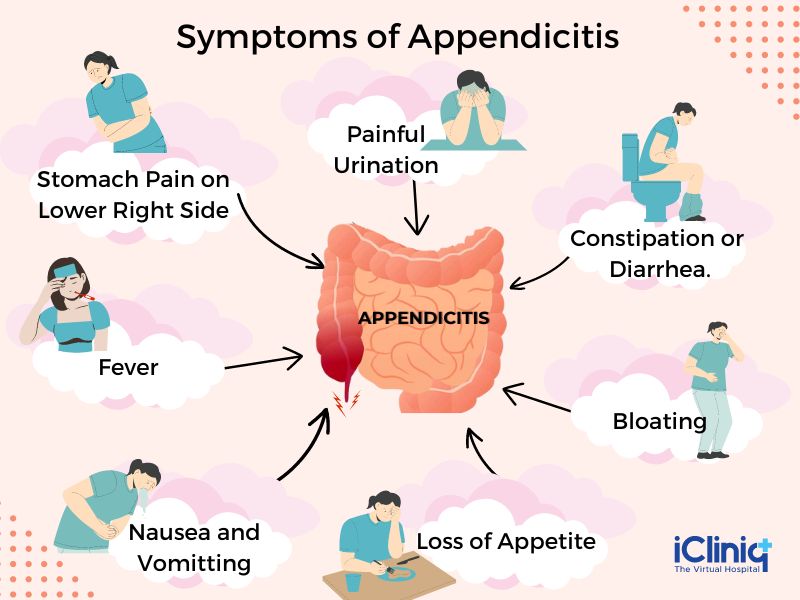
In younger patients, appendicitis typically presents with a distinct well-recognized pattern of symptoms. These include sudden pain that begins around the navel and migrates to the lower right quadrant of the abdomen, nausea, vomiting, loss of appetite, low-grade fever, and rebound tenderness when pressure is applied and released from the lower right abdomen. White blood cell counts are usually elevated, signaling a strong immune response to the infection. This relatively predictable presentation makes diagnosis more straightforward in younger populationsHow Do Appendicitis Symptoms Differ in Older Adults?
In seniors, the classic symptom pattern is absent or significantly muted. Abdominal pain, when present, may be diffuse, mild, or even absent entirely some cases, a phenomenon known as "silent appendicitis." The fever response is often minimal or nonexistent due to a less active immune system. Nausea and vomiting may attributed to other common gastrointestinal complaints, delaying concern. Many adults and their caregivers may dismiss these vague symptoms as routine digestive issues, constipation, or side effects of medications, allowing the condition to progress to dangerous stage before medical attention is sought.
Why Is Abdominal Pain Less Pronounced in Seniors With Appendicitis?
The reduced pain response in elderly patients is attributed to several physiological factors. As people age, they experience a natural decline in sensory nerve sensitivity, which can blunt the perception of pain. Additionally, many seniors take medications such as NSAIDs, corticosteroids, or opioid analgesics for chronic conditions, which can mask inflammatory signals. Reduced muscle tone the abdominal wall can also diminish the classic guarding and rigidity that clinicians rely on as physical examination indicators. Together, these factors create a situation where a serious and potentially life-threatening condition can be far visible than expected Other Symptoms Should Caregivers and Seniors Watch For?
Given the atypical nature of appendicitis in older adults, it is important to be alert to broader range of warning signs. These may include unexplained changes in bowel habits such as constipation or diarrhea, general malaise and unusual fatigue, loss of appetite without clear cause, low-grade or intermittent fever, mild but persistent discomfort or bloating in the abdomen, and increased confusion or altered mental status, can sign of systemic infection the elderly. If any combination of these symptoms develops over24 to 48 hours without improvement, medical evaluation should be sought promptly.
How Is Appendicitis Diagnosed in Elderly Patients?
Diagnosing appendicitis in seniors typically requires a combination of clinical assessment, laboratory testing, and imaging. Blood tests may reveal an elevated white blood cell count, though this response be blunted in older adults. A urinalysis may be performed to rule out urinary tract infections, which can mimic appendicitis symptoms. CT scanning of the abdomen and pelvis is the most reliable imaging tool this population often the definitive diagnostic method. Ultrasound may also be used, particularly radiation exposure is a concern. Given the complexity subtlety of presentations in elderly patients, a high index of clinical suspicion is essential. Conditions Can Mimic Appendicitis in Seniors>A number of conditions common in older adults can present with symptoms similar to appendicitis,plicating diagnosis. These include diverticulitis, which involves inflammation of pouches in the colon and more prevalent in the elderly, as well as bowel obstruction, mesenteric ischemia, ovarian pathology in women, urinary tract infections, kidney stones, and certain cancers of the colon or appendix. Because differential diagnosis is broad and the stakes are high, thorough evaluation is necessary rather than reliance on symptom pattern alone Imaging laboratory results play a pivotal role in distinguishing appendicitis from these mimicking conditions.
What Are the Treatment Options for Appendicitis in Older Adults?
Treatment for appendicitis generally involves surgical removalix, a procedure known as an appendectomy. In, the choice open surgery and laparoscopic surgery depends on patient's overall health, the presence of perforation, and other complicating factors. Laparoscopic appendectomy is often preferred when feasible, as it involves smaller incisions, reduced recovery time, and lower infection risk. In cases where surgery poses significant risk due to cardiovascular or respiratory conditions, antibiotic therapy may be considered bridge or alternative. However, in cases of perforation or abscess, surgical intervention is typically unavoidable. Post-operative care in patients requires careful monitoring for complications such as pneumonia, blood clots, and wound infections.