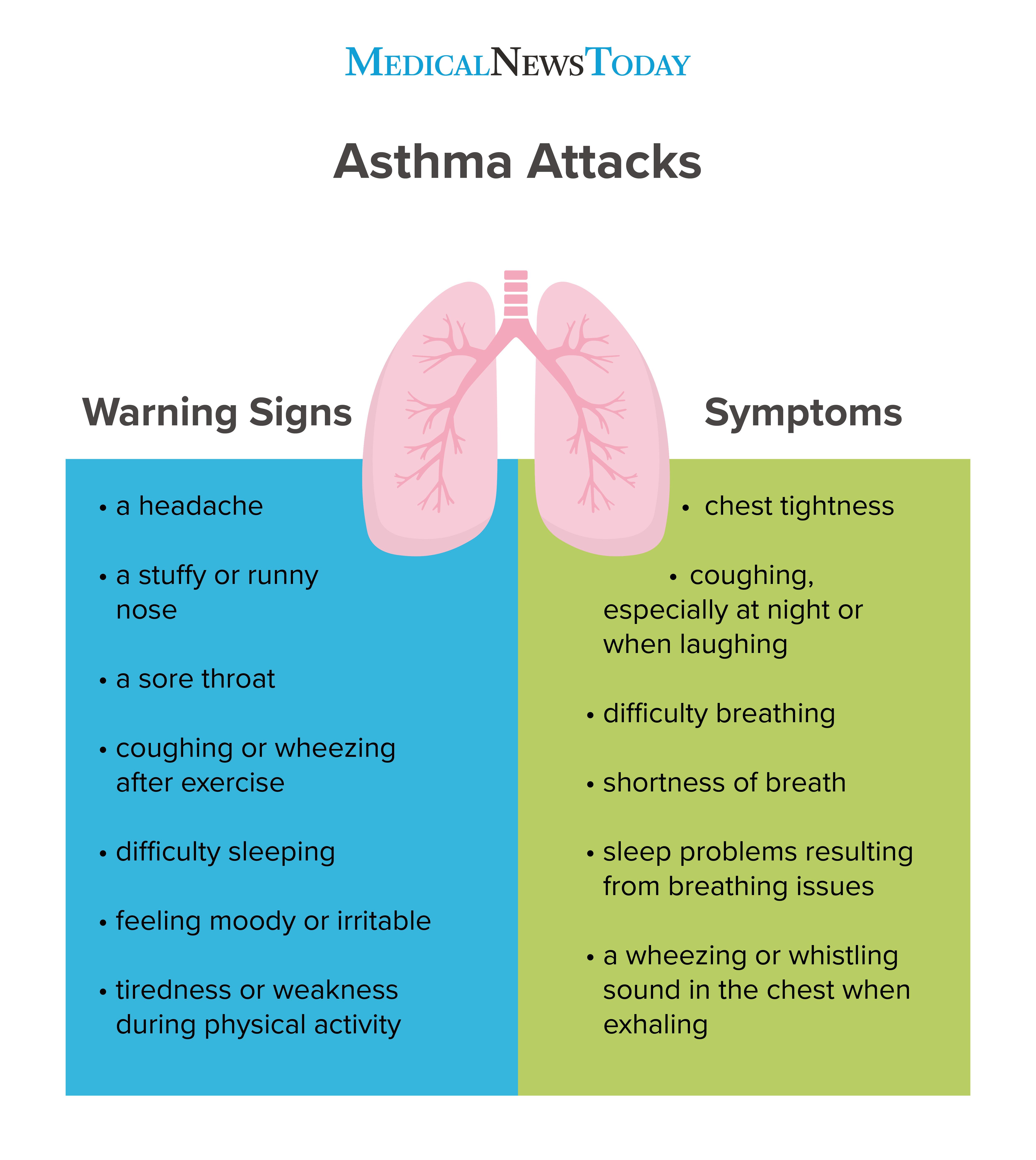
An asthma attack doesn't always look the same from person to person, and knowing what to watch for can be the difference between a close call and a serious emergency. Whether you've been living with asthma for years or you're newly diagnosed, understanding the symptoms helps you act fast when it counts. Here are the answers to the questions people ask most about asthma attack symptoms.
What Are the Most Common Symptoms of an Asthma Attack?
The classic signs include shortness of breath, wheezing — that whistling or squeaky sound when you breathe — tightness in the chest, and a persistent cough that tends to get worse at night or early morning. These symptoms happen because airways in your lungs narrow, swell, and produce extra mucus, making it genuinely hard to move air in and out. Not every attack will hit you with all four at once, but any combination of these should get your attention immediately.
How Do I Know If My Symptoms Are Serious Enough to Call 911?
Call 911 if your symptoms are severe and getting worse fast, if your quick-relief inhaler isn't helping after repeated use, or if you're struggling to speak in full sentences because can't catch your breath. Other red flags include lips or fingernails turning blue or grayish — a sign your blood oxygen is dropping — and a feeling of panic tied directly inability to breathe. These are life-threatening signs. Don't wait them out.
Can an Asthma Attack Come on With No Warning?
Yes, and this is one of the most frightening aspects of the condition. While many people experience early warning signs — like a mild cough, increased fatigue, or a runny nose in the hours before an attack — others go feeling fine to severe distress very quickly. Triggers like sudden exposure to cigarette smoke, cold air, strong perfumes, or intense exercise can spark an attack almost instantly Knowing personal triggers is one of the best ways to reduce surprise attacksIs Wheezing Always Present During Asthma Attack?
No this is a common misconception that leads people to underestimate what's happening. In severe asthma attack, the airways become so constricted that almost no air is moving — meaning there's not enough airflow to even produce a wheeze. A silent chest during an asthma attack is actually more dangerous than a noisy one. If someone stops wheezing but still struggling to breathe and looksressed, treat it as a medical emergency.
What Does Chest Tightness From Asthma Actually Feel Like?
People describe it in different ways — like someone is sitting your chest, like ribcage has shrunk, or like you're trying to breathe through a wet towel. It's a physical sensation of constriction that's often one of the first symptoms to appear and of the last to fully ease Chest tightness alone isn't always enough to diagnose an, but when it's paired with other symptoms, it's a clear signal that your are under stressAre Asthma Attack Symptoms Different Children Than Adults? core symptoms overlap but kids often have trouble describing what they're feeling, which makes detection harder. A child might say their chest "hurts" or that they can't keep up play Parents should watch for rapid breathing, skin pulling around the neck or ribs with each breath (called retractions), a persistent cough that interrupts sleep, and unusual fatigue or avoidance of physical activity. Children also deteriorate faster than adults, so action matters even moreCan Anxiety Panic Attack Be Mistaken for an Asthma Attack?
Absolutely and the overlap creates a real challenge. Both conditions causeness of breath, chest tightness, and a racing heart. However, panic attacks typically don't produce wheezing, and breathing exercises alone usually bring them under control. Asthma attacks, on the other hand, are driven by physical airway narrowing that breathing techniques won't fix. If you're unsure which you're dealing with and have inhaler prescribed, use it —'t hurt if's a panic attack, but it could save your life if's asthma.
What Happens to the Body During an Asthma Attack at Physical Level?
When trigger encountered, the immune system overreacts and causes smooth muscles around the airways to tighten — this is called bronchoconstriction. At the same time, the airway lining swells and starts producing thick mucus that further narrows the passage. The result is that breath requires significantly more effort than normal Oxygen levels in the blood can drop, and carbon dioxide builds up. untreated, the muscles tire out, and respiratory failure becomes a real risk. This is why treating an attack not it's already severe — is always the right call.
Are There That Appear Hours Before Full>
Yes. These sometimes called prodromal symptoms or early warning signs, and they vary widely between individuals. Common ones include a dry tickling cough, mildness of breath during activities'd normally handle fine, unusual fatigue, throat clearing, a runny or stuffy nose, dark circles under the eyes, and feeling generally "off" without reason. Keeping a symptom diary over time helps identify your pattern so you can intervene with medication before a full attack develops.