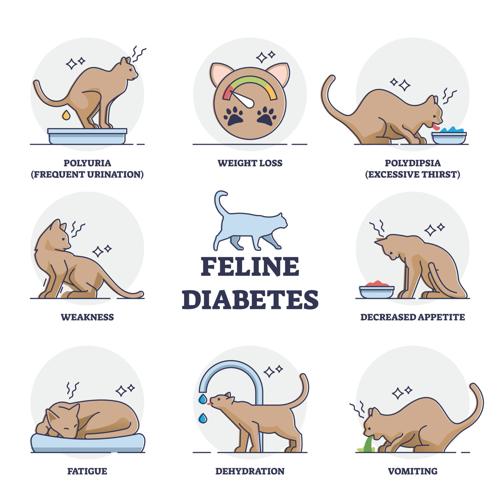
Diabetes mellitus is one of the more common endocrine disorders diagnosed in senior cats, typically affecting those over seven years of age. As cats grow older, their bodies become less efficient at regulating blood sugar, making them more vulnerable to this condition. Recognizing the early symptoms can make a significant difference in your cat's quality of life and long-term prognosis. This FAQ covers the most important questions cat owners ask when diabetes is a concern.
What Are the Most Common Early Symptoms of Diabetes in Older Cats?
The earliest and most frequently observed symptoms of diabetes in older cats include increased thirst, more frequent urination, unexplained weight loss despite normal or even increased appetite, and general lethargy. You may notice your cat drinking water far more often than usual or that the litter box requires more frequent cleaning. These signs are easy to overlook at first, especially since some changes can be attributed to normal aging. However, if two or more of these symptoms appear together, a veterinary evaluation is worth scheduling sooner rather than later.
Why Do Older Cats Drink So Much Water When They Have Diabetes?
When blood glucose levels are elevated, the kidneys work harder to filter excess sugar from the bloodstream. This process pulls water along with the glucose into the urine, leading to more frequent and larger-volume urination. To compensate for fluid loss, the cat's body triggers an intense thirst response. This cycle — high blood sugar, increased urination, and increased drinking — is sometimes referred to as the polydipsia-polyuria cycle is one of the hallmark signs of unmanaged diabetes in cats of any age.
Can Diabetic Cat Still Have Healthy Appetite?
Yes, and this is one of the aspects of feline diabetes that surprises many owners. In early or uncontrolled diabetes, a cat's cells unable to properly absorb glucose for energy even though sugar is high. The body interprets this as starvation at cellular level and signals the cat to eat more. This increased appetite, called polyphagia, combined with simultaneous weight loss, is a notable red flag. If your older cat seems ravenous but is visibly losing muscle mass and body weight, diabetes of the first conditions your vet will want to rule out.
What Doesetic Weight Loss Look Like in Cats?
Diabetic weight loss in cats tends to be most visible along the spine, hips, and shoulders where muscle mass decreases noticeably. Unlike gradual weight loss tied to reduced calorie intake, diabetic muscle wasting — known as cachexia — can progress at moderate pace food intake seems above normal. The coat may also begin to look dull or unkempt because lacks the energy to groom properly. Many owners initially assume these changes are simply signs of old age, which is why veterinary checkups with routinework are so valuable senior cats.
Is Weakness in Back Legs a Symptom of Diabetes?
It be. One distinctive neurological complications of poorly controlled diabetes in is diabetic neuropathy, which most commonly presents as weakness or plantigrade stance in the hind limbs. This means the cat walks lower on itsocks rather than on its toes, giving appearance of wobbly or collapsing back legs. This symptom is more common in cats that have hadaged diabetes for some time, but it can be one of the first visible signs that prompts an owner to seek veterinary care. The good news is that with proper glucose regulation, diabetic neuropathy is often at least partially reversible.
Can Diabetes Affect a Cat's Energy Levels and Behavior
Absolutely. Fatigue and behavioral changes are consistent featureseline diabetes. Because not being efficiently used for cellular energy, affected cats often appear unusually tired, disinterested in play, or less social than they used to be. Some cats sleep significantly more or seem mentally dull. These behavioral shifts frequently attributed to old age, but persistent lethargy in a senior cat should always be evaluated medically. Changes in temperament, reduced interaction, or withdrawal from activities cat previously enjoyed can all be subtle indicators that something physiological is off.
How Is Diabetes in Older Cats Diagnosed?
Diagnosis typically involves a combination of a physical examination, blood tests, and urinalysis. A glucose test will reveal elevated fasting glucose levels, though vets careful to account for stress hyperglycemia — temporary spike in blood sugar that can occur simply from the stress of a vet visit. To confirm a diagnosis, veterinarians often measure fructosamine levels, which reflect average blood glucose over the past two to three weeks are not affected by short-term stress. Urine testing also show glucose and ketones, which can indicate more serious complication called diabetic ketoacidosis. Early accurate diagnosis is key to starting effective management plan.
Are Certain Older Cats at Higher Risk for Developing Diabetes?
Yes, several factors increase the likelihood of diabetes cats. Obesity of the strongest risk factors, as excess body fat reduces insulin sensitivity. Male cats are diagnosed at higher rates than females. Cats that eat primarily dry, carbohydrate-heavy diets may also face higher risk over time. Certain medications, particularly long-term corticosteroid use, can predispose cats to diabetes as well. Breeds such as Burmese cats have documented genetic predisposition. Knowing these risk factors helps owners veterinarians stay proactive about monitoring cats age, especially during wellness visits.
What Should I Do If I Suspect My Older Cat Has Diabetes?
Schedule a veterinary appointment without delay. Do not wait to see if symptoms resolve on their own, as unaged diabetes can progress to serious complications, including diabetic ketoacidosis, which is a medical emergency. Before appointment, take note of any changes you habits, urination frequency, appetite, and activity levels. If possible, bring a fresh urine sample, as it can provide useful preliminary information. Your vet will guide you through diagnosis and, if diabetes is confirmed, walk you through treatment options, which typically include insulin therapy and dietary adjustments. Many cats with well-managed diabetes go on to live comfortably for years after diagnosis.