Vertigo is a condition that affects millions of women, with prevalence increasing significantly after the age of 50. Often described as a sensation of spinning or dizziness, vertigo can interfere with daily activities, increase fall risk, and signal underlying health conditions that deserve prompt medical attention. Hormonal changes associated with menopause, age-related shifts in the inner ear, and cardiovascular factors all contribute to a higher incidence of vertigo in this demographic. Understanding the symptoms, triggers, and treatment options is essential for women in this age group to manage their health effectively and maintain quality of life.
What Are the Most Common Symptoms of Vertigo in Women Over 50?
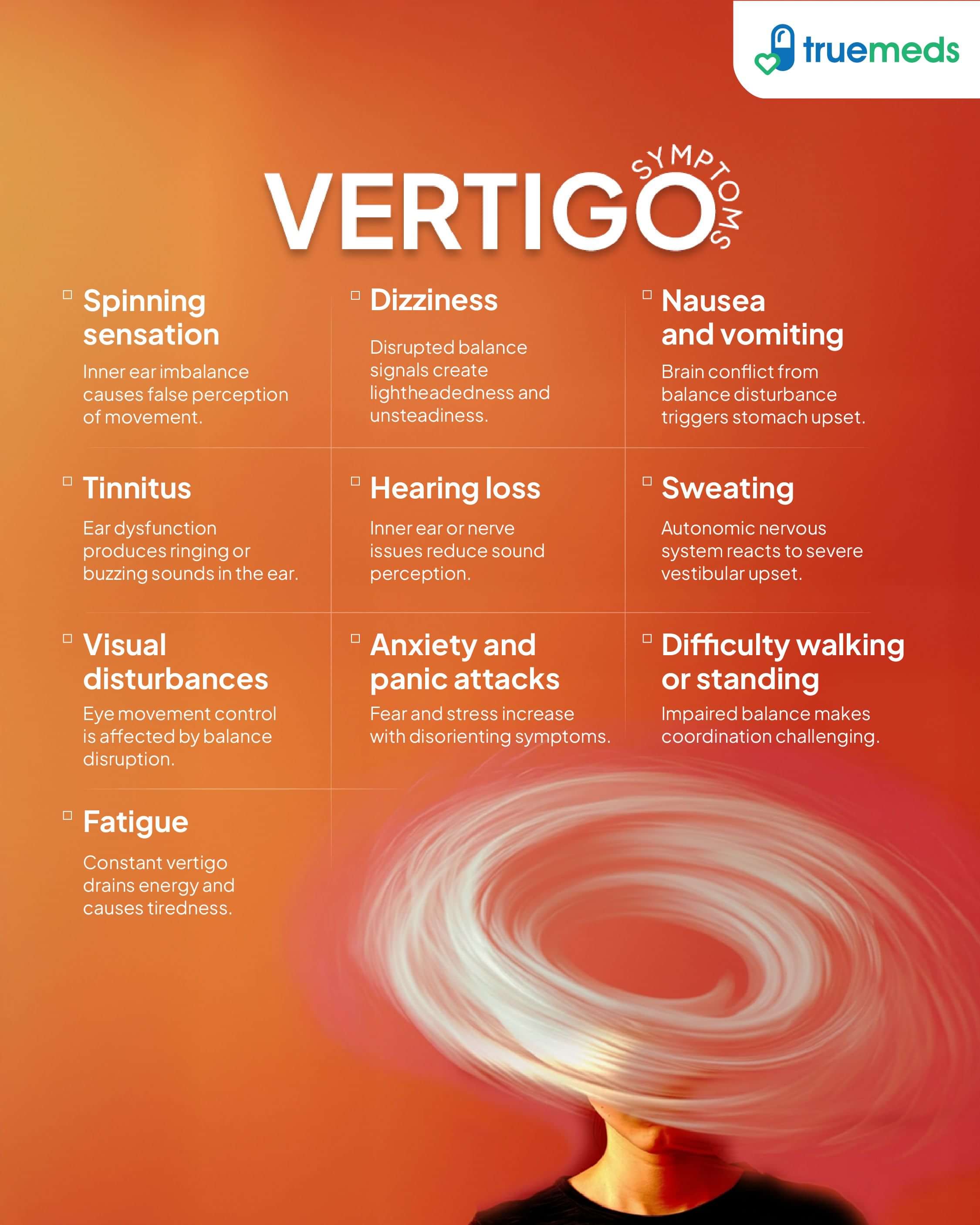
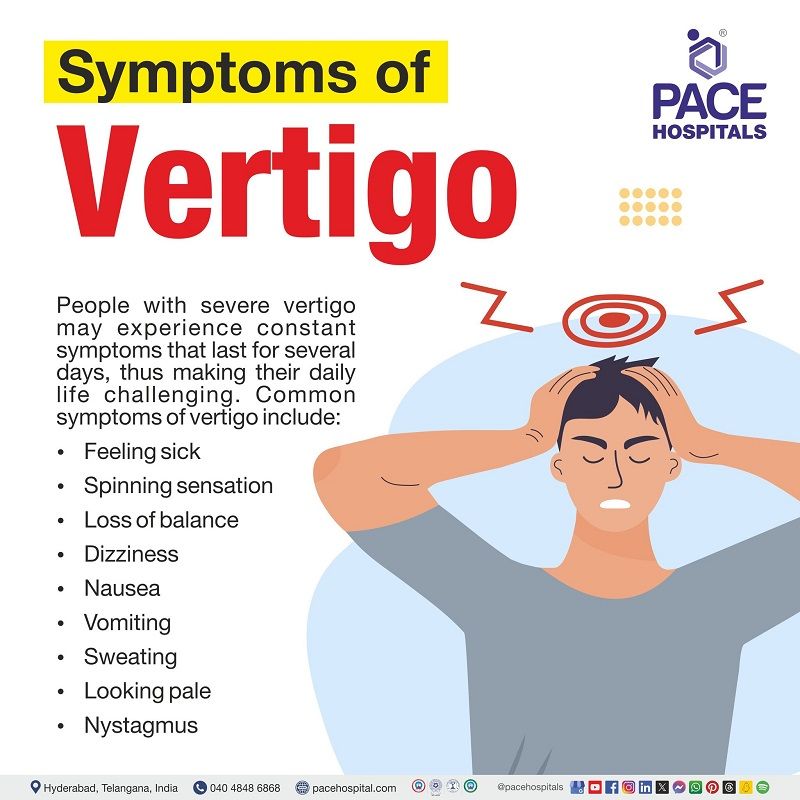
The hallmark symptom of vertigo is a false sense of movement — typically a spinning or tilting sensation — even when the body is completely still. Women over 50 commonly report episodes begin suddenly and may last from a few seconds to several minutes. Accompanying symptoms often include nausea, vomiting, difficulty maintaining balance, unsteady gait, and a general feeling of lightheadedness. Some women also experience tinnitus (ringing in the ears), sensation of fullness in the ear, or temporary hearing changes. Blurred vision and difficulty focusing during an episode are also frequently reported. Because these symptoms can overlap with those of other conditions such as low blood pressure or cardiac events, a thorough medical evaluation is always recommended.How Does Menopause Contribute to Vertigo Symptoms?
Menopause triggers a significant decline in estrogen levels, and this hormonal shift has direct impact on the vestibular system — the part of the inner ear responsible for balance. Estrogen receptors are present in inner ear tissue, and reduced estrogen can affect fluid regulation within the labyrinth, potentially causing symptoms consistent with vertigo. Additionally, menopause-related changes such as sleep disruption, anxiety, and migraines can all amplify dizziness. researchers also associate estrogen loss with increased susceptibility to benign paroxysmal positional vertigo (BPPV), the most common form of vertigo overall Women transitioning through perimenopause may notice vertigo episodes coincide with fluctuating hormone levels, making connection between reproductive health and vestibular function clinically significant.
What Is Benign Paroxysmal Positional Vertigo (BPPV) and Why Is It Common in This Age Group?
Benign paroxysmal positional vertigo, or BPPV, is the most frequently diagnosed cause of vertigo and is particularly prevalent among women over 50. It occurs when calcium carbonate crystals — known as otoliths or "ear rocks" — become dislodged from their normal position in the inner ear and migrate into the semicircular canals, disrupting fluid movement and sending incorrect signals to the brain. The result is brief but intense episodes of spinning triggered by specific head movements, such as rolling over in bed, tilting the head back, or bending forward. Age-related degeneration of inner ear structures, combined with the hormonal changes of menopause and reduced bone density (which may crystal composition), makes older women disproportionately susceptible. BPPV is generally treatable with repositioning maneuvers performed by a trained healthcare provider.
Can Cardiovascular Changes After 50 Cause Vertigo?
Yes, cardiovascular health plays a meaningful role in vertigo risk for women over 50. As estrogen levels decline, women lose some of its protective cardiovascular effects, increasing risk of hypertension, arterial stiffness, and reduced circulation. Orthostatic hypotension — a sudden drop in blood pressure when standing — becomes more common age and can cause dizziness that mimics vertigo. Reduced blood flow to the cerebellum or brainstem, which can occur cases of vertebrobasilar insufficiency, may produce true vertigo along with other neurological symptoms. Women history of atrial fibrillation, heart failure, or carotid artery disease may also experience dizziness as a symptom. Anyigo accompanied by chest pain, shortness of breath, sudden severe headache, or one-sided weakness should be treated as a medical emergency.
How Vertigo in Women Over 50 Diagnosed?
Diagnosis begins with a thorough medical history and physical examination. A physician will inquire about the duration, frequency, and triggers of episodes, as well as any associated symptoms such as hearing loss or tinnitus. The Dix-Hallpike test is a standard maneuver used to confirm BPPV by observing nystagmus — involuntary eye movement — when the patient's head is repositioned. Audiological testing, including hearing evaluations and electronystagmography, may be ordered to assess ear function. Blood pressure measurements in different positions help identify orthostatic hypotension. In cases where central nervous system involvement is suspected, imaging studies such as MRI or CT scans may be used to rule out stroke, tumors, or multiple sclerosis. A referral to a neurologist, otolaryngologist, or vestibular specialist may be appropriate depending on the findingsAre Certain Medications Known to Cause or Worsen Vertigo in Older Women?Medicationinduced dizziness, as drug-induced ototoxicity or vestibular toxicity, is a significant concern for women over 50 who are often managing multiple chronic conditions. Certain classes of medications are known to affect the inner ear or balance mechanisms These include aminoglycoside antibiotics, loop diuretics such as furosemide, chemotherapy agents like cisplatin, non-steroidal anti-inflammatory drugs (NSAIDs), antihypertensives, and some antidepressants or antianxiety medications. Polypharmacy — concurrent use of multiple medications — increases risk substantially. Women over 50 should review all current medications, including over-the-counter supplements, with their healthcare provider if new worsening vertigo develops. Adjusting dosages or switching to alternative medications may significantly reduce symptoms
When Should a Woman Over 50 Seek Immediate Medical Attention for Vertigo?
While many of vertigo are benign, certain accompanying symptoms warrant urgent evaluation. Women should seek immediate care if vertigo is accompanied by sudden severe headache, double vision, slurred speech, facial drooping, weakness numbness in the limbs, loss of coordination, or difficulty walking. These symptoms may indicate a stroke or transient ischemic attack (TIA), conditions that require rapid intervention Vertigo that develops after a head injury, that is persistent unrelenting rather than episodic, or that is associated with progressive hearing loss also warrants prompt assessment. It is always better to err on the side of caution; not allizziness is benign, and early diagnosis significantly improves outcomes for serious underlying conditions.
What Treatment Options Are Available for Managing Vertigo
Treatment depends entirely on the underlying cause. For BPPV, the Epley maneuver and other canalith repositioning procedures performed by a clinician are highly effective, with success rates exceeding 80percent after one two sessions. Vestibular rehabilitation therapyVRT), conducted physical therapist, helps retrain the brain to compensate for inner ear deficits and particularly beneficial for chronic disorders. Medications such as meclizine, promethazine, or benzodiazepines may be prescribed short-term symptom relief during severe episodes, though long-term use is generally discouraged as it can interfere with central compensation. For vertigo related to Meniere's disease, dietary modifications including sodium restriction and diuretic therapy are common management strategies. Women consider lifestyle factors such as staying well-hydrated, managing stress, prioritizing sleep, and avoiding known triggers such as alcohol and caffeine.
Can Lifestyle Modifications Help Reduce Frequency of Vertigo Episodes?
Lifestyle modifications can play supportive role in managing vertigo, particularly when combined with appropriate medical treatment. Staying adequately hydrated is one of the simplest and most effective strategies, as dehydration can exacerbate both ear dysfunction and blood pressure irregularities. Regular low-impact exercise, including walking, yoga, and tai chi, has been shown to improve balance and reduce fall risk in older women. Reducing intake benefits women whoseigo is linked to fluid issues such Meniere's disease. Limiting caffeine and alcohol — both of which can affect inner ear fluid dynamics — may also reduce episode frequency. Stress management techniques such as mindfulness meditation and progressive muscle relaxation are valuable because anxiety stress can trigger or worsen vestibular symptoms. Maintaining a consistent sleep schedule supports overall neurological stability and may reduce the severity of hormone-related symptoms that contribute to dizziness.